
Not Sure About What to Say, How to Say It, What’s Affirming and What’s Not?
It’s a fundamental principle among mental health professionals that creating a safe space and establishing trusting relationships with clients is essential for healing. When your client is a member of a minority group, a special level of awareness, compassion, attunement and self-knowledge is required. In this article, we’ve gathered resources to support you in your work with lesbian, gay, bisexual, transgender and queer (LGBTQ+) clients. Building trust and strengthening connection with your client not only creates a sense of safety, it’s also a powerful way to counteract the exclusion, discrimination, and stigma that many members of minority groups face every day.
Why These Resources?
Not everyone is crystal clear on the concepts, language and norms that are most supportive and affirming for our LGBTQ+ clients. And while it is not easy to accept—especially since we’ve chosen helping careers—we all have implicit bias. This article contains tools, resources, articles and infographics that touch on the key things you need to know and do do in order to become a more effective therapist for your LGBTQ+ clients. We’ve also included links to other resources, so you can take a deeper dive.
UNDERSTANDING IMPLICIT BIAS
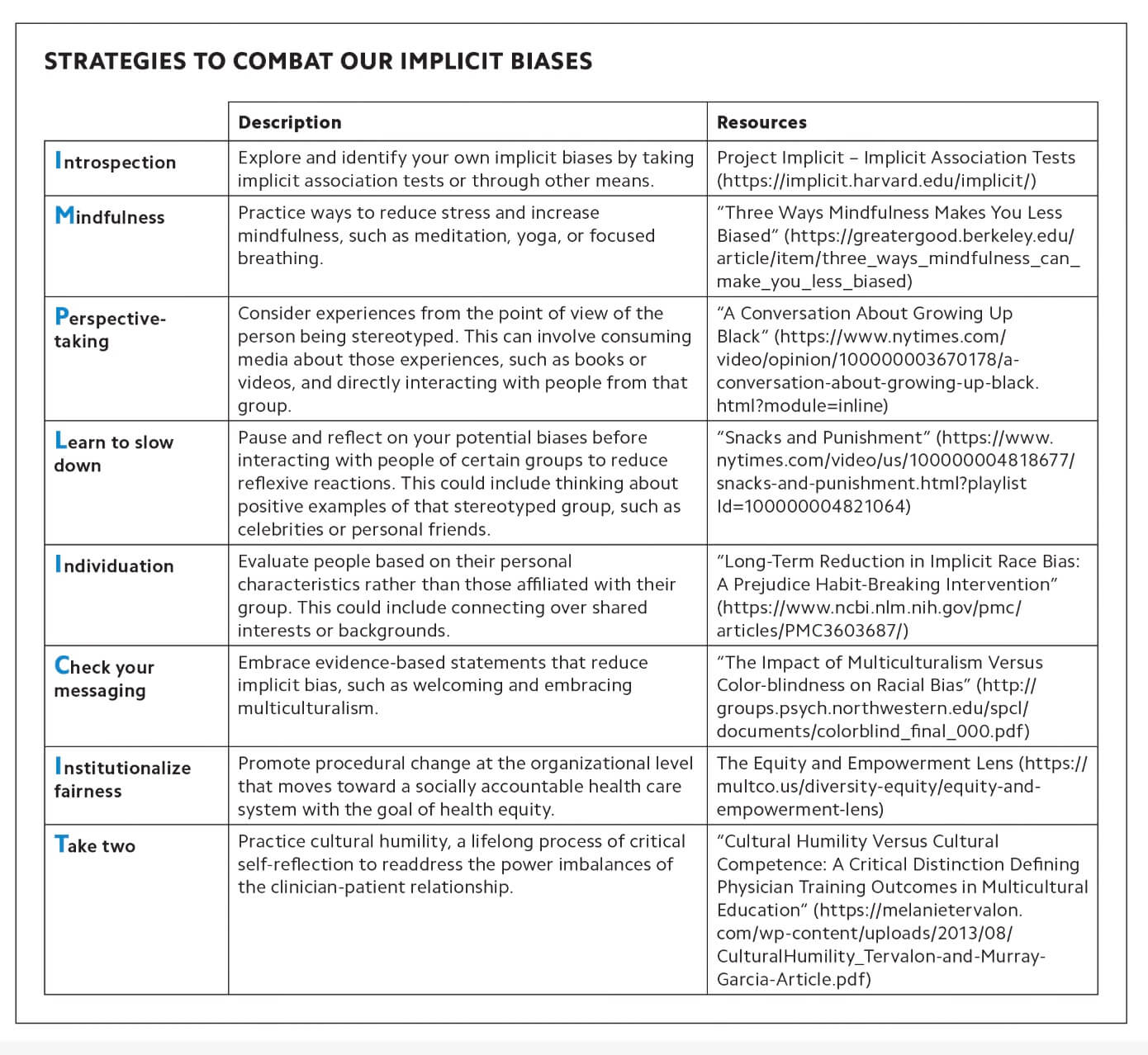
To overcome implicit bias, first discover your blind spots. Then actively work to dismiss stereotypes and attitudes that affect your interactions. We’ve re including resources here to help you do this important affirming work. And in case hidden biases surface in your work with a client, we’ve included guidance for meaningful apologies and effective repair in the face of an unintended microaggression.
How implicit bias fuels microaggression.
Implicit bias comes into play when we inadvertently say something or use body language that communicates a stereotypical or demeaning message about LGBTQ+ people. Sometimes called “microaggressions,” such actions and statements can interfere with a client’s sense of safety or trust and negatively affect therapeutic outcomes. In some cases, an unintended microaggression is the reason a client does not continue with therapy.
Identify, understand and unlearn implicit bias.
The National LGBTQ+ Health Education Center has put together an invaluable 16-page Implicit Bias Guide. It's clear, helpful and filled with case studies and exercises that help anyone in healthcare recognize how implicit bias can inadvertently inform their words and actions and undermine the trust they’re trying to build with a client.
In addition, the case studies offer trust-building alternatives—both words and actions. It’s free and yours to download and keep forever. Explore the website’s many additional resources in support of quality care for lesbian, gay, bisexual, transgender, queer, intersex, asexual and all sexual and gender minority people.
It’s a fundamental principle among mental health professionals that creating a safe space and establishing trusting relationships with clients is essential for healing. When your client is a member of a minority group, a special level of awareness, compassion, attunement and self-knowledge is required. In this article, we’ve gathered resources to support you in your work with lesbian, gay, bisexual, transgender and queer (LGBTQ+) clients. Building trust and strengthening connection with your client not only creates a sense of safety, it’s also a powerful way to counteract the exclusion, discrimination, and stigma that many members of minority groups face every day.
Why These Resources?
Not everyone is crystal clear on the concepts, language and norms that are most supportive and affirming for our LGBTQ+ clients. And while it is not easy to accept—especially since we’ve chosen helping careers—we all have implicit bias. This article contains tools, resources, articles and infographics that touch on the key things you need to know and do do in order to become a more effective therapist for your LGBTQ+ clients. We’ve also included links to other resources, so you can take a deeper dive.
UNDERSTANDING IMPLICIT BIAS
To overcome implicit bias, first discover your blind spots. Then actively work to dismiss stereotypes and attitudes that affect your interactions. We’ve re including resources here to help you do this important affirming work. And in case hidden biases surface in your work with a client, we’ve included guidance for meaningful apologies and effective repair in the face of an unintended microaggression.
How implicit bias fuels microaggression.
Implicit bias comes into play when we inadvertently say something or use body language that communicates a stereotypical or demeaning message about LGBTQ+ people. Sometimes called “microaggressions,” such actions and statements can interfere with a client’s sense of safety or trust and negatively affect therapeutic outcomes. In some cases, an unintended microaggression is the reason a client does not continue with therapy.
Identify, understand and unlearn implicit bias.
The National LGBTQ+ Health Education Center has put together an invaluable 16-page Implicit Bias Guide. It's clear, helpful and filled with case studies and exercises that help anyone in healthcare recognize how implicit bias can inadvertently inform their words and actions and undermine the trust they’re trying to build with a client.
In addition, the case studies offer trust-building alternatives—both words and actions. It’s free and yours to download and keep forever. Explore the website’s many additional resources in support of quality care for lesbian, gay, bisexual, transgender, queer, intersex, asexual and all sexual and gender minority people.
Healing trauma worldwide through the highest quality of EMDR training.
Copyright © 2026